

Airback
Airback
Airback
Airback
Airback

Airback
Airback started in March 2020 with a question nobody had asked: why isn't vacuum compression built into the bag itself? A patent followed in 2022, the first Kickstarter raised €350,000 in a single month, and by 2024 the Amsterdam brand had collected a Red Dot, an iF Design and a European Product Design Award. Today it sells in more than 80 countries. One bag, every journey.
The challenge
Airback was already selling in dozens of countries, but the ad account had never been built for it. In the twelve months before we took over, 160 ads ran with budget, spread across ad-hoc campaigns with no naming convention and no structure. For a brand prospecting in dozens of languages at once, that is not fuel but a trickle, too little material to learn what worked, and too little structure to see where the money went.
Our approach
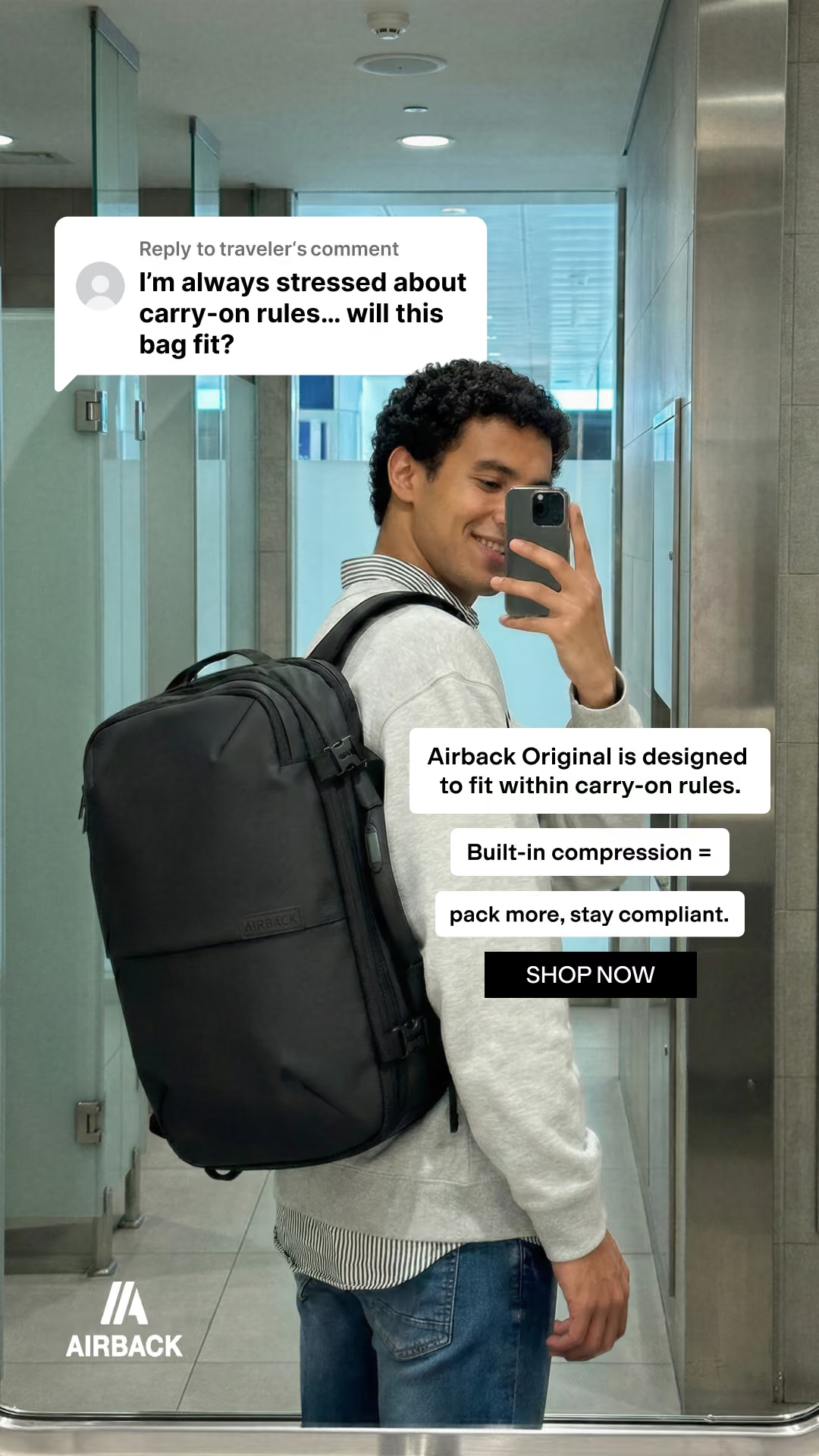
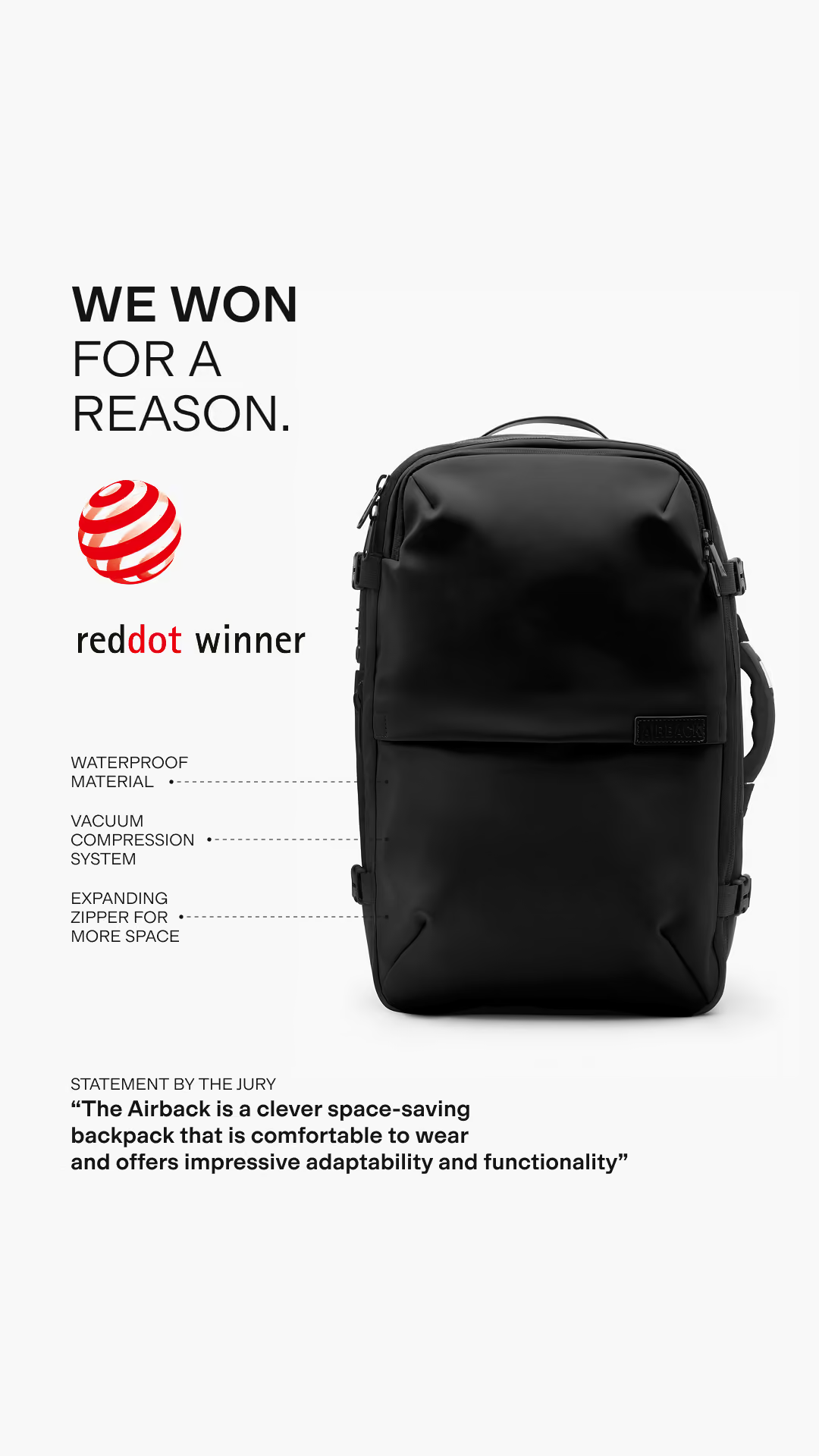
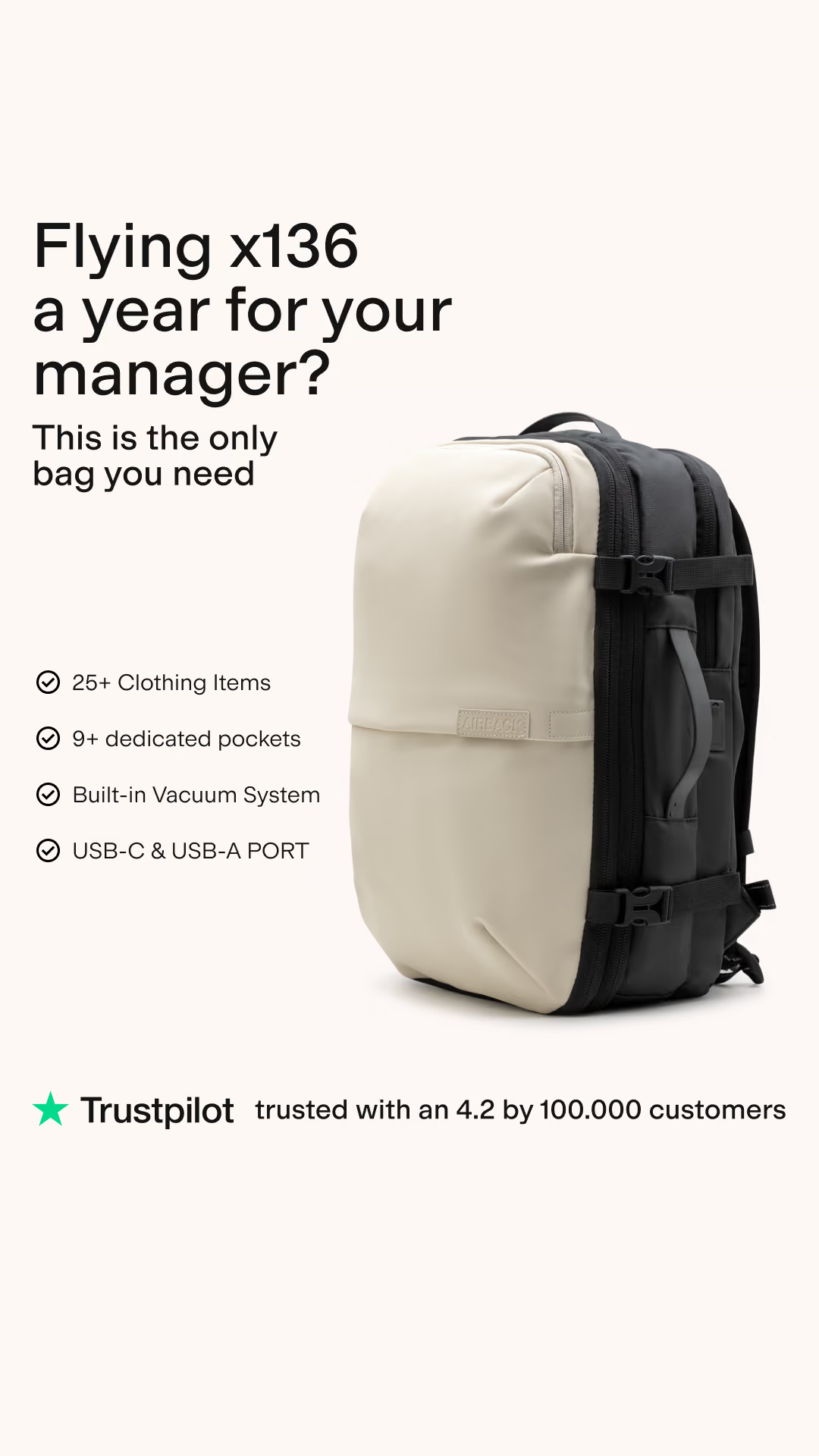
The bottleneck was never targeting, it was production. We built a creative engine that ships new batches every week, per market and per language, which gave the account enough material to tell the difference between what worked and what happened to work. Over twelve months it put 3,293 ads into delivery against 160 the year before.
.avif)
.avif)
The results
When we took over in February 2025, Airback was selling in dozens of countries on a handful of ads. Within twelve months the account carried twenty times the creative volume, orders had grown by a third, and the growth held across more than eighty markets.
Order growth.
Orders grew by a third in the first twelve months, measured against the twelve months before we took over the account.
Creative output.
We launched twenty times as many ads in twelve months as the account had run in the year before, in every market's own language.
Revenue growth.
Meta-attributed revenue rose by more than a quarter over the same period, across more than eighty markets.
Revenue growth Italy.
Italy grew revenue by 44% while return on ad spend rose — the strongest market in the portfolio.
Results Like This Aren't An Accident.
One Channel. Ten Years Of Experience Behind It.
An Extension Of Your Marketing Team.

(1).png)